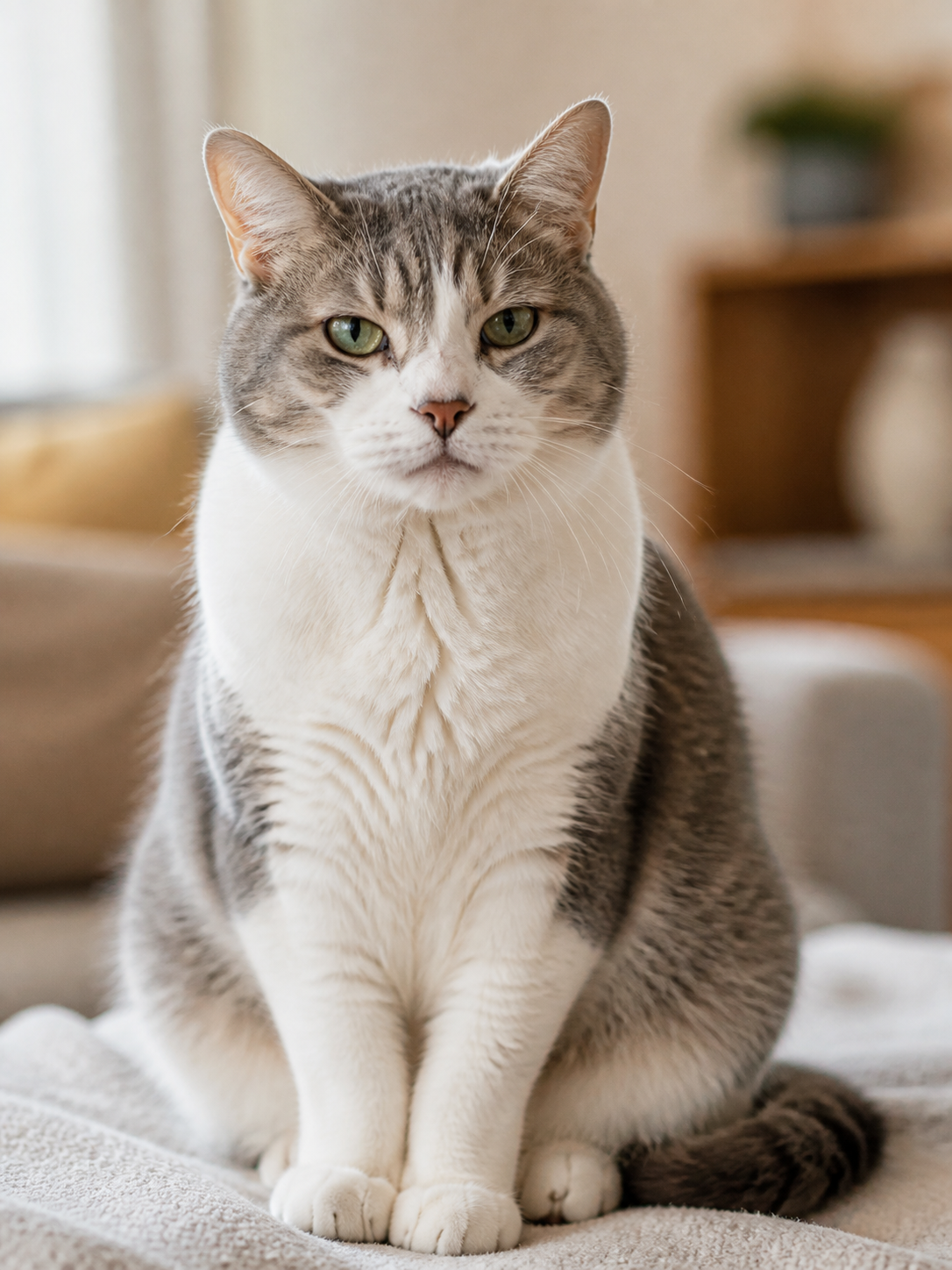
Senior Pet Care

Pet Care

Senior Pet Care

As pets get older, their needs can change in quiet ways.

You may notice your dog slowing down on walks, your cat sleeping more than usual, changes in appetite, new stiffness, weight changes, or small shifts in behavior that are easy to miss at first.

At Hometown Pet Vet, we are here to help you care for your senior pet with patience, clear communication, and thoughtful guidance. Our goal is to help older dogs and cats stay as comfortable, healthy, and happy as possible through every stage of aging.

Thoughtful Care for Aging Dogs and Cats

Senior pet care is about more than age.

It is about paying attention to how your pet feels, moves, eats, rests, and interacts with your family.

Regular senior wellness visits help us monitor changes over time, look for early signs of health concerns, and talk through what you are noticing at home. Many age-related conditions are easier to manage when they are found early, and even small adjustments can make a meaningful difference in your pet’s comfort and quality of life.

When Is a Pet Considered Senior?

The age when a pet is considered “senior” can vary based on species, breed, size, and overall health. Many cats and small dogs may not show senior changes until later in life, while large-breed dogs may age more quickly.

If you are unsure whether your pet should begin senior-focused care, our team can help you understand what makes sense for your dog or cat.

What Senior Pet Care May Include

Care based on your pet’s individual needs

Senior care may include a combination of exams, conversations, screenings, and treatment recommendations based on your pet’s individual needs.

Wellness exams
Weight and nutrition guidance
Mobility and arthritis concerns
Dental health
Lab work and health screening
Changes in appetite or thirst
Behavior changes
Vision or hearing changes
Skin or coat changes
Pain management
Chronic condition monitoring
Quality-of-life conversations

Every pet is different, so our recommendations are based on what we see during the exam, your pet’s history, and what you are noticing at home.

Signs Your Senior Pet May Need a Visit

You know your pet best.

If something feels different, it is worth asking about. Some changes can seem like “just getting older,” but they may also be signs that your pet needs medical attention or extra support.

  • Slowing down or reluctance to walk, jump, or climb stairs
  • Limping, stiffness, or trouble getting comfortable
  • Weight loss or weight gain
  • Changes in appetite or drinking more water than usual
  • Urinating more often or accidents in the house
  • Vomiting or diarrhea
  • Bad breath, drooling, or trouble chewing
  • Coughing or breathing changes
  • New lumps or bumps
  • Changes in sleep patterns
  • Confusion, anxiety, hiding, or behavior changes
  • Less interest in play, walks, or family routines

Helping Senior Pets Stay Comfortable

Small changes at home can make a meaningful difference.

Aging pets often benefit from small changes at home. Depending on your pet’s needs, we may talk with you about ways to support comfort and mobility.

Comfort at Home

Softer bedding, easier access to food and water, ramps or steps, and non-slip rugs or floor mats may help older pets move with more confidence.

Daily Routines

Adjusted exercise routines, weight management, and joint support can help senior pets stay active in a way that fits their comfort level.

Ongoing Support

Dental care, pain management options, and more frequent health monitoring may help support quality of life as your pet ages.

Our team will help you sort through what may be helpful and what is appropriate for your pet.

Senior Wellness Exams

Regular visits help us notice gradual changes.

Senior pets often benefit from regular wellness visits because health changes can happen gradually. During a senior wellness exam, we take time to review your pet’s lifestyle, behavior, appetite, mobility, and overall health.

These visits are also a good time to ask questions about comfort, activity level, nutrition, behavior, and what changes to expect as your pet ages.

  • A nose-to-tail physical exam
  • Weight and body condition review
  • Dental health check
  • Mobility assessment
  • Discussion of appetite, thirst, urination, and behavior
  • Review of medications or supplements
  • Recommendations for lab work or monitoring, if needed

Lab Work and Health Screening

Helpful answers before problems become obvious

Senior pets can develop changes internally before they show obvious signs at home. Lab work can help us better understand organ function, hydration, blood sugar, thyroid levels, infection signs, and other important health details.

Health screening may be recommended based on your pet’s age, history, exam findings, and symptoms. If testing is recommended, we will explain why, what we are looking for, and how the results may help guide your pet’s care.

Quality of Life and End-of-Life Support

Compassionate conversations when decisions feel hard

One of the hardest parts of loving a pet is making decisions as they age. Our team is here to support you with honesty, compassion, and respect.

Quality-of-life conversations can help you understand your pet’s comfort, mobility, appetite, behavior, and daily enjoyment. These conversations are never one-size-fits-all. We will help you talk through what you are seeing, what options may be available, and how to make decisions with your pet’s comfort in mind.

Senior Pet Care FAQs

Senior Pet Care FAQs

How often should my senior pet see the veterinarian?

Many senior pets benefit from wellness visits at least once a year, and some may need to be seen more often depending on their health, medications, or ongoing conditions. Our team can help recommend a schedule that fits your pet’s needs.

What signs of aging should I watch for in my dog or cat?

Watch for changes in appetite, weight, thirst, urination, mobility, behavior, sleep, vision, hearing, dental health, and overall energy. If your pet seems different or not like themselves, it is a good idea to contact us.

Is slowing down just part of getting older?

Sometimes pets slow down with age, but stiffness, limping, reluctance to jump, trouble with stairs, or difficulty getting comfortable may be signs of pain or arthritis. There may be ways to help your pet feel more comfortable.

Why might my senior pet need lab work?

Lab work can help us find health changes that may not be obvious during a physical exam. It can provide helpful information about organ function, blood sugar, thyroid levels, hydration, infection signs, and other health concerns.

Can you help with arthritis or mobility concerns?

Yes. If your pet is having trouble walking, jumping, climbing stairs, or getting comfortable, we can evaluate their mobility and talk through options that may help support comfort and daily activity.

What if my senior pet is losing weight?

Weight loss in an older pet should not be ignored. It can happen for many reasons, including dental disease, changes in appetite, chronic illness, or other health concerns. Please schedule a visit so we can better understand what may be going on.

Do senior pets still need dental care?

Yes. Dental health remains important throughout your pet’s life. Bad breath, tartar, gum disease, drooling, or trouble chewing can affect comfort and overall health, especially in older pets.

Can you help me know when it is time to talk about quality of life?

Yes. These conversations can be emotional, and you do not have to navigate them alone. We can help you evaluate your pet’s comfort, daily habits, appetite, mobility, and overall quality of life with compassion and honesty.

Support for Your Senior Pet

Thoughtful care for the pets who have given so much.

Senior pets have given years of love, loyalty, and companionship. As they age, they deserve care that is patient, thoughtful, and focused on comfort.

If you have noticed changes in your older dog or cat, or if you simply want to stay ahead of age-related concerns, Hometown Pet Vet is here to help.

Scroll to Top