
Halloween Pet Safety
Halloween Pet Safety for Dogs and Cats
Halloween brings candy, costumes, decorations, and frequent visitors. However, those changes can create risks for pets. Use these Halloween pet safety tips to help your dog or cat stay calm and protected.
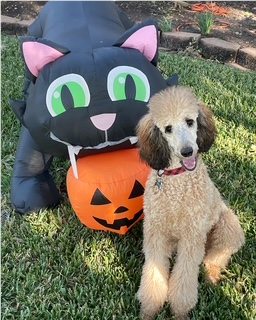
Keep Halloween Candy Away From Pets
First, store candy in a closed cabinet or high container. Chocolate can be dangerous for dogs and cats. Review the ASPCA Halloween safety guidance for more seasonal precautions. Also, sugar-free candy may contain xylitol, which can cause serious illness in dogs.
Wrappers can also cause choking or intestinal blockage. Therefore, place candy bowls, treat bags, and trash where pets cannot reach them. If your pet eats a questionable treat, call a veterinarian or pet poison resource right away.
Create a Calm Space During Trick-or-Treating
Doorbells, costumes, and strangers can overwhelm pets. In addition, an open front door creates an escape risk. Set up a quiet room before visitors arrive. Add water, bedding, familiar toys, and gentle background sound.
Next, check gates, doors, and window screens. Keep cats indoors. Also, leash dogs before moving near an open doorway.
Choose Pet Costumes Carefully
Some pets enjoy costumes. Others do not. Therefore, never force an outfit on a nervous pet. A safe costume should allow normal breathing, vision, hearing, walking, barking, and meowing.
Remove loose strings, small pieces, and chewable decorations. Then, supervise your pet while the costume is on. If you notice freezing, hiding, panting, pawing, or other stress, remove it. A simple bandana may be a better choice.
Use Decorations With Pet Safety in Mind
Secure electrical cords and battery packs. Keep glow sticks, fake cobwebs, and small plastic decorations out of reach. Also, use flameless candles when possible. Curious cats and wagging tails can knock over a lit pumpkin.
Check Identification Before Halloween
Confirm that your pet wears a readable ID tag. In addition, review the contact information connected to the microchip. Current identification improves the chance of a quick reunion if a frightened pet slips outside.
Make a Halloween Pet Safety Plan Before October 31
Halloween safety begins before the doorbell rings. Think about your pet’s normal reaction to visitors, children, noises, costumes, and changes in routine. Then, choose a plan that fits that pet.
A social dog may enjoy seeing a few familiar guests. However, a crowded doorway can still create stress or an escape risk. A shy cat may hide when decorations first appear. Therefore, introduce changes slowly when possible.
Decide where your pet will stay during trick-or-treating. Prepare gates, doors, leashes, carriers, and identification. Also, choose where candy, decorations, costumes, and trash will be stored.
Share the plan with every family member. Children and guests should know which doors stay closed and which foods are off-limits. Clear rules prevent mixed messages during a busy evening.
Finally, save the numbers for your veterinarian, the nearest emergency hospital, and a pet poison service. Planning does not remove every risk. Still, it helps you respond quickly if something happens.
Halloween Pet Safety for Chocolate and Candy
Chocolate contains substances that dogs and cats cannot process like people do. Dark chocolate and baking chocolate are especially concerning. However, any chocolate exposure deserves attention because risk depends on the type, amount, and pet’s size.
Sugar-free gum, candy, baked goods, and some peanut butters may contain xylitol. Xylitol can cause severe illness in dogs. Never wait for symptoms after a possible exposure. Call a veterinarian or pet poison resource immediately.
Raisins and grapes can also be dangerous for dogs. In addition, candy may contain coffee, alcohol, macadamia nuts, or other unsuitable ingredients. Rich foods can cause vomiting, diarrhea, or pancreatitis.
Store treats in a closed cabinet or secure container. Do not leave bags on the floor, a chair, a low counter, or a child’s bed. Dogs can follow a scent into backpacks and bedrooms. Cats may bat candy or wrappers onto the floor.
After trick-or-treating, count and store the candy. Then, place wrappers and leftovers in a lidded trash container. One forgotten bag can create a problem later that night.
Candy Wrappers, Sticks, and Small Objects
The candy itself is not the only concern. Foil, plastic wrappers, lollipop sticks, strings, and small toys can cause choking or intestinal blockage. Pets may swallow them because they smell like food.
Watch children while they sort candy. Use a table in a pet-free room. Sweep the floor afterward, and check under furniture. Also, empty coat pockets and treat bags before curious pets find them.
Signs of a possible blockage can include vomiting, repeated retching, reduced appetite, abdominal pain, low energy, or trouble passing stool. These signs may develop later. Contact a veterinarian promptly if your pet swallowed a wrapper, stick, toy, or other object.
Do not pull string from a pet’s mouth or rectum. A swallowed string may be caught inside and can damage the digestive tract. Keep the pet from chewing it, and seek veterinary guidance.
Halloween Pet Safety: Create a Quiet Room
A quiet room can protect pets from noise, strangers, and open doors. Set it up before visitors arrive. Add water, bedding, familiar toys, a litter box for cats, and any needed medication.
Close windows and secure screens. Use curtains or blinds if outside movement causes barking or fear. Soft music, a fan, or familiar background sound may reduce sudden noise.
Give your pet time to settle before peak trick-or-treating. Do not wait until the pet is already overwhelmed. A food puzzle or long-lasting veterinary-approved chew may help some pets relax.
Place a sign on the door so guests do not enter. Tell children that the room is the pet’s safe space. Never force a frightened pet to greet visitors.
Check the pet calmly during the evening. However, avoid repeatedly opening the door if that increases escape risk. Use a baby gate or second barrier when practical.
Halloween Pet Safety at the Front Door
Halloween brings repeated door openings. Costumes, masks, flashing decorations, and excited voices may cause a pet to bolt. Even a pet that normally stays near the doorway can react differently.
Use at least two barriers between the pet and the outside door. For example, keep the pet in a closed room behind a gate. Do not rely on verbal commands during a noisy event.
Walk dogs before trick-or-treating begins. Use a secure leash and well-fitted collar or harness. Then, keep the dog indoors during the busiest hours.
Keep cats inside. Check hiding places before opening exterior doors. Also, verify that windows, screens, garage doors, and pet doors are secure.
If you take a dog outside after dark, use reflective gear and a short leash. Avoid crowded sidewalks when your dog is nervous, reactive, or easily startled.
How to Tell When a Pet Is Stressed
Stress signals can be subtle. Dogs may pant, pace, yawn, lick their lips, shake, hide, bark, freeze, refuse treats, or keep their tail low. Cats may crouch, flatten their ears, hide, swat, vocalize, overgroom, or stop eating.
Watch for changes from your pet’s normal behavior. A dog that usually greets guests may become uncomfortable around masks. A cat that normally rests in the living room may need a quiet space when decorations move or make noise.
Do not punish fear. Punishment can increase stress and may create a stronger negative association. Instead, increase distance from the trigger and allow the pet to settle.
If your pet has a history of severe noise fear, panic, or escape attempts, contact your veterinarian before Halloween. A veterinarian can discuss behavior strategies and whether medication is appropriate for that individual pet. Do not give human medication or leftover pet medication without veterinary direction.
Pet Costume Fit and Supervision
A costume should never limit breathing, vision, hearing, walking, sitting, drinking, barking, meowing, or using the bathroom. Check the fit while the pet is standing and moving. Then, remove the costume if it shifts or tightens.
Avoid elastic around the neck, tight leg openings, masks, and heavy headpieces. Remove buttons, bells, strings, sequins, and other pieces that can be chewed off. Reflective material should not create sharp edges.
Introduce the costume in short sessions before Halloween. Pair it with treats or play when your pet remains relaxed. Never force the outfit on a pet that freezes, hides, paws at it, pants, growls, or tries to escape.
Supervise every moment the costume is on. Remove it before crating, sleeping, eating, or being left alone. A festive bandana, collar cover, or photo beside a decoration may be a safer option.
Halloween Pet Safety for Decorations
Use flameless candles when possible. A curious cat or wagging tail can knock over a lit candle or pumpkin. Keep matches, lighters, and hot wax out of reach.
Secure electrical cords and battery packs. Unplug decorations when they are not supervised. Chewed cords can cause burns or electrical injury. Button batteries are also dangerous if swallowed.
Fake cobwebs, ribbon, yarn, and string lights can trap paws or be swallowed. Place them where pets cannot reach them. Check outdoor decorations for loops or sharp stakes near walking paths.
Glow sticks and glow jewelry may leak bitter liquid that causes drooling, pawing at the mouth, or distress. Keep them away from pets and clean spills promptly.
Moving figures, fog machines, speakers, and flashing lights may frighten animals. Introduce decorations gradually. Turn them off if your pet appears stressed.
Pumpkins, Corn, and Seasonal Plants
Plain cooked pumpkin is not the same as a decorated jack-o’-lantern or sweet pumpkin dessert. Moldy pumpkin can cause illness. Candles, paint, glue, toothpicks, and decorations add more hazards.
Keep decorative corn, gourds, and plant arrangements out of reach. A swallowed cob or large plant piece may cause an intestinal blockage. Potpourri and essential oils may also irritate or harm pets, especially cats.
Do not allow pets to drink water from decorative containers. It may contain dye, fragrance, bacteria, or cleaning products. Instead, provide fresh water in the pet’s normal bowl.
After Halloween, remove outdoor food and decorations before wildlife or weather spreads them. Check the yard for candy, wrappers, glow sticks, broken plastic, and costume pieces.
Halloween Pet Safety During Parties
Parties add music, food, drinks, open doors, and unfamiliar people. Decide whether your pet will truly enjoy the event. Many pets are safer in a quiet room away from guests.
Ask visitors not to feed the pet. Keep plates, cups, alcohol, coffee, and serving dishes out of reach. Secure trash throughout the party rather than waiting until the end.
Watch for handbags, coats, and medications placed on beds or floors. Sugar-free gum, pain relievers, cannabis products, and other items may be accessible inside a guest’s bag.
If the pet joins the gathering, provide a clear exit to a calm area. Supervise interactions with children. Never allow hugging, cornering, chasing, or teasing.
Count pets before guests leave and again after doors close. Then, check the floor and furniture for dropped food, wrappers, accessories, and broken decorations.
Children, Visitors, and Pet Boundaries
Costumes can change a person’s shape, voice, and movement. A pet may not recognize a familiar child in a mask. Therefore, remove masks before approaching the pet.
Teach children to let the pet come to them. They should avoid reaching over the head, grabbing costumes, taking toys, or entering the quiet room. An adult should supervise every interaction.
Do not use a pet as part of a prank or surprise. Sudden screams, chasing, and startling props can create fear or defensive behavior.
Guests should follow the household plan even if they believe the pet “looks fine.” A stressed pet may tolerate attention until it suddenly needs space. Respect early signals and end the interaction before the pet feels trapped.
Halloween Pet Safety: Identification and Microchips
Confirm that the collar fits and the ID tag is readable. Check the phone number carefully. Replace faded tags before Halloween.
Next, verify the microchip number and registration. Use the AAHA registry lookup tool if you do not know which company holds the record. Update your phone number, email, address, and alternate contact.
Take a clear, current photo of your pet. Include the face and body markings. Save it where family members can find it quickly.
Identification does not prevent an escape. Therefore, keep doors and gates secure. Still, current tags and pet microchip registration can improve the chance of a fast reunion.
Halloween Pet Safety After Candy Ingestion
Remove the remaining candy and packaging. Then, identify what may be missing. Save the wrapper or ingredient list. Note the estimated amount and the time of exposure.
Call your veterinarian, an emergency veterinary hospital, or a pet poison service immediately. Provide your pet’s species, weight, age, medical conditions, product name, ingredients, amount, and time.
Do not wait for vomiting, weakness, tremors, seizures, diarrhea, restlessness, or collapse. Early advice can change treatment options. Also, do not induce vomiting unless a veterinary professional gives specific instructions.
If your pet has trouble breathing, collapses, has a seizure, or becomes unresponsive, go to an emergency veterinary hospital right away.
Halloween Pet Safety for Cats
Keep cats indoors before Halloween activity begins. Even a confident cat may panic around costumes, shouting, and repeated door openings.
Provide a quiet room with food, water, a clean litter box, hiding places, and familiar bedding. Place the carrier nearby in case you need to leave quickly.
Keep ribbon, string, fake cobwebs, small toys, candles, and electrical cords away from cats. Their climbing ability makes high shelves less secure than they appear.
Do not force a cat into a costume. A lightweight breakaway collar or a supervised photo near safe decorations may be enough.
Check the cat’s location before opening doors, garages, or windows. Then, confirm the cat is safely inside when the evening ends.
Halloween Pet Safety for Dogs
Exercise your dog earlier in the day when sidewalks are quiet. Use a secure leash and avoid decorations that move, flash, or make sudden sounds if your dog is nervous.
During trick-or-treating, keep the dog away from the front door. A gate alone may not stop a determined or frightened dog. Use a closed room and a second barrier.
Store candy, party food, and trash securely. Dogs may climb, open bags, or pull items from counters. Do not assume food is safe because it is wrapped.
Watch for stress signals. Give the dog distance and quiet before barking or fear escalates. If your dog has a bite history or severe reactivity, use a management plan created with qualified veterinary or behavior professionals.
Halloween Pet Safety the Morning After
Halloween risks can remain after the visitors leave. Walk through the home and yard before giving pets normal access. Pick up candy, wrappers, glow products, strings, costume pieces, and broken decorations.
Check trash containers and bags. Then, confirm that medications, handbags, and party food have been removed from pet areas.
Observe your pet for vomiting, diarrhea, reduced appetite, low energy, abdominal discomfort, tremors, restlessness, or unusual behavior. Contact a veterinarian when you are concerned, especially if something may have been swallowed.
Return to the normal routine gradually. Some pets need extra quiet and rest after a stressful evening.
Halloween Pet Safety Myths
“A small piece of candy cannot hurt.”
Risk depends on the ingredients, amount, and pet. Chocolate, xylitol, raisins, wrappers, and other items can be dangerous. Call for guidance.
“My pet loves people, so the front door is safe.”
Costumes and repeated door openings create unusual conditions. Use physical barriers even with social pets.
“A costume is safe if the pet can walk.”
The outfit must also allow normal breathing, vision, hearing, drinking, and communication. It must not contain choking hazards.
“Cats will stay away from candles.”
Curious cats can approach or knock over flames. Use flameless candles whenever possible.
“A microchip means my pet does not need a tag.”
A tag offers immediate contact information. A registered microchip provides permanent backup. Use both.
Halloween Pet Safety FAQs
Should my pet greet trick-or-treaters?
Most pets are safer away from the door. Use a quiet room, especially when your pet is nervous, excitable, reactive, or likely to escape.
Can my dog eat plain pumpkin?
Plain pumpkin may be appropriate for some dogs, but Halloween desserts and decorated pumpkins are different. Ask your veterinarian about food choices for your pet.
What should I do about xylitol exposure?
Call a veterinarian or pet poison service immediately. Do not wait for symptoms and do not induce vomiting unless directed.
Are glow sticks poisonous?
The liquid can cause intense irritation and drooling. Keep glow products away from pets and contact a veterinarian or poison resource after exposure.
How can I help an anxious pet?
Prepare a quiet room, reduce noise, use familiar items, and avoid forced interactions. Contact your veterinarian before Halloween when fear is severe.
When should I seek emergency care?
Seek emergency help for collapse, seizures, severe breathing trouble, loss of consciousness, or other rapidly worsening signs. Possible toxin ingestion also requires immediate professional guidance.
Trusted Halloween Pet Safety Resources
Review the ASPCA Halloween safety tips for current guidance on candy, costumes, parties, decorations, and identification.
Halloween Pet Safety Checklist
Review your Halloween pet safety plan with the whole household before celebrations begin. Assign one adult to check doors, candy storage, decorations, and the pet’s quiet room. Keep a leash, carrier, veterinarian’s phone number, and emergency hospital information easy to reach. In addition, tell guests not to feed or release pets. A brief family check-in can prevent confusion when the doorbell, costumes, and excited children make the evening busy.
After the event, count every pet and inspect each room. Remove dropped treats, wrappers, costume pieces, glow products, and damaged decorations. Then, return food, walks, medication, and bedtime to the normal schedule. Predictable routines help dogs and cats settle after an unusual night. If behavior or appetite remains abnormal, contact your veterinarian.
- Store candy and wrappers securely.
- Prepare a quiet room.
- Keep pets away from open doors.
- Use safe, comfortable costumes only.
- Choose flameless candles.
- Confirm ID tags and microchip details.
Have a Halloween Pet Safety Question?
Contact Hometown Pet Vet during regular business hours. If your pet ate chocolate, xylitol, medication, or another possible toxin, seek professional guidance immediately.