
Texas Heat Safety
Texas Heat Safety for Dogs and Cats
Texas heat can become dangerous quickly. Therefore, pet owners need a simple plan for water, shade, walks, cars, and early heatstroke signs. These Texas heat safety tips for dogs and cats can help.
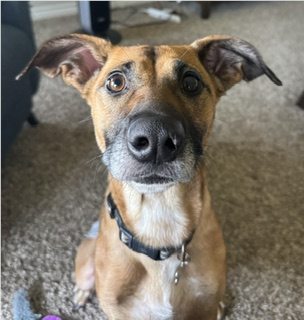
Texas Heat Safety for Outdoor Time
First, schedule walks for early morning or later evening. Midday sun can raise both air and pavement temperatures. Also, shorten activity when humidity is high because pets may cool down less effectively.
Bring fresh water on every longer outing. In addition, offer shade and frequent rest breaks. If your pet slows down, seeks shade, or pants harder than usual, stop the activity and move indoors.
Texas Heat Safety for Paws and Pavement
Asphalt, concrete, sand, and metal can become much hotter than the surrounding air. Consequently, paw pads can burn during a normal walk.
Choose grass when possible. Keep walks brief on warm surfaces. Also, check paws after outdoor time for redness, tenderness, peeling, or limping. If you suspect a burn, contact a veterinarian.
Texas Heat Safety in and Around Cars
A parked vehicle can heat up fast, even on a day that feels mild. Cracked windows do not make the car safe. Therefore, leave your dog or cat at home when you cannot bring them inside with you.
Texas Heat Safety: Signs of Heat Stress and Heatstroke
Early action matters. Watch for excessive panting, heavy drooling, weakness, red gums, thick saliva, vomiting, confusion, or trouble standing. Collapse, seizures, or loss of consciousness are emergency signs.
Move an overheated pet to a cool area. Next, use cool—not ice-cold—water and a fan. Then, seek veterinary care immediately if heatstroke may be present or the pet does not improve quickly.
Texas Heat Safety for Higher-Risk Pets
Flat-faced dogs and cats often struggle to cool themselves. Senior pets, puppies, kittens, overweight pets, and animals with heart or breathing conditions may also overheat faster. Therefore, keep higher-risk pets in air-conditioned areas during the hottest part of the day.
Why Texas Heat Is Different for Pets
Texas heat can last for long stretches. Warm mornings can turn into dangerous afternoons. In addition, evenings may stay hot after the sun goes down. Pets may have less time to cool between outdoor trips.
Humidity also matters. Dogs cool themselves mainly through panting. Cats use several methods, including grooming and limited sweating through their paw pads. However, humid air can make evaporation less effective. Therefore, a temperature that seems manageable may still create heat stress.
Sun exposure can raise surface temperatures far above the reported air temperature. Asphalt, concrete, artificial turf, sand, truck beds, and metal ramps may become dangerous. Shade can also move during the day. A yard that was shaded in the morning may be fully exposed later.
For these reasons, Texas heat safety for dogs and cats requires more than checking one temperature. Review the heat index, humidity, surface conditions, shade, water, and your pet’s individual risk before outdoor activity.
Use the Heat Index, Not Just the Temperature
The heat index describes how hot the weather feels when humidity is included. High humidity can reduce a pet’s ability to release heat. Therefore, check the current heat index before a walk, training session, or trip to the park.
Also consider direct sunlight. Weather readings usually come from shaded conditions. Your driveway, sidewalk, or backyard may feel much hotter. Wind can help with evaporation, but hot wind does not make intense exercise safe.
Watch your pet instead of relying on a single number. A dog that normally enjoys a long walk may struggle on a humid morning. A cat in a screened patio may overheat if airflow is poor. Shorten the activity as soon as your pet pants harder, slows down, seeks shade, or seems uncomfortable.
When conditions are questionable, choose indoor enrichment. A short training session, food puzzle, scent game, or gentle play period can provide activity without the heat exposure.
Build a Texas Heat Safety Walking Routine
Plan walks for the coolest practical time. Early morning is often safer than evening because pavement may hold heat after sunset. Still, always check the current conditions.
Choose a shaded route with grass when possible. Bring clean water and a collapsible bowl. Then, offer small water breaks during the walk. Do not wait until your dog appears desperate to drink.
Reduce the distance, speed, and intensity. A familiar route may be too demanding during a heat advisory. Puppies, senior dogs, flat-faced breeds, and pets with medical concerns may need brief bathroom breaks only.
Avoid jogging beside bicycles, running on hot pavement, or extended games of fetch during warm weather. Excited dogs may keep playing after they should stop. Therefore, the owner must end the activity before the dog becomes exhausted.
After the walk, move indoors and allow quiet recovery. Offer water. Then, observe breathing, energy, coordination, and gum color. Continued heavy panting or weakness needs prompt attention.
How to Check Pavement Before a Walk
Place the back of your hand on the walking surface for several seconds. If you cannot keep it there comfortably, the surface is too hot for bare paw pads. Check more than one area because shade and sun can create large differences.
Remember that paw pads can burn without an immediate cry. Some dogs continue walking because they are excited or trying to keep up. Later, you may notice limping, licking, redness, blisters, peeling skin, or reluctance to stand.
Use grass, shaded paths, or another cool surface. Protective booties may help when they fit correctly and your dog has practiced wearing them. However, booties do not prevent heatstroke. They protect paws, but the rest of the body can still overheat.
If you suspect a paw burn, move your pet off the hot surface. Do not apply ice directly. Contact a veterinarian for guidance, especially if the skin is blistered, open, painful, or peeling.
Texas Heat Safety and Hydration for Dogs and Cats
Provide fresh water throughout the day. Wash bowls regularly, and place more than one bowl in large homes. Some cats drink more readily from wide bowls or pet fountains. However, every pet has different preferences.
For outdoor time, carry water from home. Do not depend on public bowls, ponds, puddles, or unfamiliar water sources. They may be empty, contaminated, or difficult to reach.
Offer water before, during, and after activity. Small, frequent drinks are often easier for an excited dog than one large amount at once. Never force water into the mouth of a weak, confused, vomiting, or unconscious pet.
Watch for possible dehydration. Signs can include dry or tacky gums, low energy, reduced appetite, or changes in urination. These signs can have many causes. Therefore, contact a veterinarian when your pet is unwell or drinking patterns change.
Ice cubes and frozen pet-safe treats may add enrichment. Still, they do not replace clean drinking water, shade, ventilation, and careful activity limits.
Texas Heat Safety for Indoor Pets
Indoor pets can also overheat. A room with poor airflow, direct afternoon sun, or failed air conditioning may become dangerous. Check the rooms where your pets actually rest rather than relying on a thermostat in another area.
Close blinds on sunny windows. Use fans to improve airflow when safe. Provide access to cool flooring and several water stations. Then, make sure a closed door cannot trap a pet in a warm room.
Never aim an unsecured fan where a pet can knock it over or reach the cord. Also, avoid placing crates in direct sunlight. A covered crate may hold heat if air cannot move freely.
During a power outage, monitor indoor temperature closely. Move pets to a cooler location early instead of waiting for the home to become dangerously hot. Friends, family members, pet-friendly businesses, boarding facilities, or cooling centers may be options. Confirm pet policies before an emergency.
Cars, Garages, and Other Enclosed Spaces
Never leave a pet alone in a parked vehicle. The interior can become dangerously hot within minutes. Cracked windows, shade, or a short errand do not make the vehicle safe.
Also use caution in garages, sheds, enclosed patios, campers, and trailers. These spaces may heat quickly and have limited airflow. A pet can become trapped when a door closes or a family member does not realize the pet is inside.
Before driving, cool the vehicle. Start the air conditioning and confirm that it works. Secure your pet safely, and bring water for longer trips. Never place a pet in an uncovered truck bed. The metal surface can burn paws, and the animal faces serious injury and escape risks.
If you see a pet in a hot vehicle, note the vehicle description and location. Contact local law enforcement or animal control for instructions. Do not delay when the animal appears distressed.
Dogs and Cats at Higher Risk for Heatstroke
All pets can overheat. However, some need much stricter limits. Flat-faced dogs and cats may not move air as efficiently. Examples include bulldogs, pugs, Boston terriers, boxers, and Persian cats.
Overweight pets may also struggle to release heat. Senior pets and very young animals may regulate body temperature less effectively. In addition, heart disease, airway disease, kidney disease, seizures, and other medical conditions can increase risk.
Thick-coated pets and dark-coated pets may absorb or retain more heat. Recently groomed pets can still overheat, and shaving a coat is not always helpful. Some coats provide insulation and sun protection. Ask your veterinarian or professional groomer before making a major coat change.
Medications may also affect activity, hydration, or heat tolerance. If your pet has a health condition or takes regular medication, ask your veterinarian for an individualized hot-weather plan.
Early Signs of Heat Stress
Early recognition gives you the best chance to act before a crisis. Watch for panting that is heavier than expected, persistent drooling, restlessness, seeking shade, reluctance to move, or a sudden drop in energy.
You may also notice bright red gums, thick saliva, rapid breathing, a fast heartbeat, vomiting, diarrhea, stumbling, confusion, or weakness. Cats may breathe with an open mouth, hide, drool, or appear distressed. Open-mouth breathing in a cat is an emergency concern.
Do not wait for every sign. Heat illness can worsen quickly. Move the pet to a cool area and contact a veterinary hospital when signs are concerning or do not improve promptly.
Collapse, seizures, loss of consciousness, severe breathing trouble, pale gums, or inability to stand require emergency veterinary care right away.
What to Do if You Suspect Heatstroke
Treat suspected heatstroke as a medical emergency. Move the pet to shade or air conditioning. Then, contact a veterinary hospital immediately and begin traveling as directed.
AAHA advises cooling with tepid or cool water rather than ice-cold water. Wet the body, especially the neck, chest, abdomen, and groin. Use a fan to support evaporation. Do not wrap the entire pet in wet towels because trapped heat may slow cooling.
Do not apply rubbing alcohol. Do not force an overheated pet to drink. Also, do not delay veterinary care because the pet seems better after cooling. Heatstroke can damage internal organs, and complications may not be obvious at first.
If you can safely monitor temperature and a veterinarian instructs you to do so, follow that team’s directions. Cooling must be controlled because overcooling can also cause problems. The safest action is rapid veterinary guidance and transport.
Heat Safety for Outdoor Cats and Community Cats
Cats often hide when they feel unwell. Therefore, heat stress may be easy to miss. Keep pet cats indoors during extreme heat. Make sure screened patios and sunrooms stay cool and ventilated.
For community cats, provide fresh water in a shaded location. Use stable bowls that are difficult to tip. Replace warm or dirty water often. A shaded shelter should allow airflow and should not trap heat.
Check garages, sheds, vehicles, and storage areas before closing doors. Cats may enter these spaces seeking shade. Once trapped, they can overheat or go without water.
If a cat is panting, drooling, weak, confused, vomiting, or collapsing, seek emergency veterinary care. Cats do not normally pant like dogs after routine activity.
Backyard and Pool Safety in Hot Weather
A fenced yard does not remove heat risk. Provide continuous shade and fresh water. Then, supervise outdoor time. A pet may lie in the sun, chase wildlife, or keep playing beyond a safe limit.
Check artificial turf, decks, patios, and pool surrounds before allowing pets to walk on them. These surfaces can become hot. Also, store lawn chemicals, fertilizers, and pool products where pets cannot reach them.
Not every dog can swim. Even strong swimmers can become tired. Use a fitted pet life jacket near pools, lakes, or boats when appropriate. Show your dog how to exit the pool, and use a secure barrier when no adult is supervising.
Rinse pets after swimming when chlorine, salt, or algae may be present. Do not allow them to drink large amounts of pool or lake water. Contact a veterinarian if vomiting, weakness, tremors, or other unusual signs follow water exposure.
Travel, Boarding, and Summer Events
Before travel, check the forecast for every stop. Bring more water than you expect to need. Pack a bowl, leash, identification, medications, and veterinary contact information.
Choose pet-friendly stops where your dog or cat can remain indoors with you. Never plan to leave a pet in the car while you eat, shop, or check in. If plans change, have a safe backup.
Ask boarding facilities how they manage outdoor time, power outages, air conditioning, and heat emergencies. Share your pet’s medical conditions and activity limits. Also, provide current emergency contacts.
Outdoor festivals, markets, and sports events may be too hot for pets. Crowds, pavement, noise, and limited shade add stress. Leaving a pet safely at home is often the kinder choice.
Texas Heat Safety Myths
“My dog will stop playing when it gets too hot.”
Some dogs remain active because they are excited or focused. Owners must set limits and provide breaks before the dog becomes exhausted.
“Shade makes a parked car safe.”
No. Shade moves, and vehicle temperatures can rise quickly. Never leave a pet alone in a parked car.
“A short coat prevents heatstroke.”
Short-coated pets can still overheat. Air temperature, humidity, activity, health, age, and ventilation all matter.
“Booties make a long hot-weather walk safe.”
Booties may protect paws, but they do not cool the body. Limit exercise according to the weather and the pet.
“Ice water is the fastest treatment.”
Extreme cooling can cause problems. Use cool or tepid water and contact a veterinary hospital immediately.
Texas Heat Safety FAQs for Dogs and Cats
When is it too hot to walk my dog?
There is no single safe temperature for every dog. Check the heat index, humidity, sun, pavement, route, activity level, and your dog’s health. When conditions are hot or humid, choose a brief early-morning walk or indoor activity.
Can cats get heatstroke?
Yes. Cats can overheat in hot rooms, vehicles, enclosed patios, garages, or outdoor areas without enough shade and water.
Should I shave my pet for summer?
Not automatically. Coat type matters. Ask your veterinarian or groomer before shaving because the coat may provide insulation and sun protection.
Are cooling vests and mats enough?
They can add comfort when used correctly. However, they do not replace air conditioning, water, shade, supervision, and activity limits.
What should I do if my dog keeps panting indoors?
Move the dog to a cool area and assess for other signs. Continued or unusual panting can have several causes. Contact a veterinarian promptly when you are concerned.
Is a panting cat normal in hot weather?
No. Open-mouth breathing or panting in a cat can signal serious distress. Seek emergency veterinary care.
Create a Daily Texas Heat Safety Plan
A repeatable routine makes hot-weather decisions easier. Start each morning by checking the forecast, heat index, and any heat advisory. Then, choose the safest outdoor times before the day becomes busy.
Prepare water, a bowl, waste bags, and walking gear in advance. Select a short shaded route. If the morning already feels humid or still, replace the walk with a brief bathroom break and indoor enrichment.
During the afternoon, keep pets in a cool indoor area. Check water bowls and room temperature. Close blinds where direct sun enters. Also, confirm that senior pets, crated pets, and pets resting in closed rooms have airflow and water.
Before evening activity, test the pavement again. Surfaces may stay hot long after sunset. Watch your pet’s breathing and energy from the first few minutes rather than waiting for obvious distress.
Finally, review the day. Note unusual panting, low energy, reduced appetite, vomiting, diarrhea, or changes in drinking and urination. Contact a veterinarian if something seems wrong. A daily plan supports Texas heat safety for dogs and cats because it turns general advice into specific actions.
Keep emergency information ready
Save the phone numbers and addresses for your regular veterinary clinic and the nearest emergency hospital. Make sure every adult caregiver knows where that information is stored. Also, keep a carrier or leash easy to reach.
If a pet overheats, you should not have to search for basic information while the condition gets worse. Move the pet to a cool area, begin safe cooling, call a veterinary hospital, and travel as directed. Preparation saves time when minutes matter.
Trusted Hot-Weather Resources
Review current guidance from AAHA on heatstroke signs and response, AAHA on preventing heatstroke, and the AVMA parked-car heat resource.
Quick Texas Heat Safety Checklist
Review this plan whenever the forecast changes. A routine that works in spring may become unsafe during a Texas heat advisory. Adjust walks, travel, outdoor play, and medication schedules with veterinary guidance when needed. Most importantly, respond to your pet’s behavior instead of relying only on the clock or thermometer.
- Walk early or late.
- Carry clean water.
- Choose shade and grass.
- Limit strenuous exercise.
- Never leave a pet in a parked car.
- Watch closely for overheating.
Concerned About Heat Exposure?
Call Hometown Pet Vet during regular business hours for guidance. However, seek emergency veterinary care immediately for collapse, seizures, severe breathing trouble, or other life-threatening signs.